Compare Leather Sofas vs. Fabric Sofas: Why Leather's Drawbacks May Push You Toward Fabric
To understand the debate, we must first recognize the legacy of leather. For centuries, leather wasn't just furniture; it was a potent symbol of status, power, and wealth, a reputation that continues to influence buyers today.
-
Reserved for Royalty: From Ancient Roman patricians and Arabian rulers to European nobility, high-quality, painstakingly-tanned leather furniture was a luxury reserved for the elite. The complexity and high cost of early leather-making ensured it was out of reach for ordinary people.
-
The Chesterfield Influence: In the 18th century, the trend was cemented by the Chesterfield sofa, often commissioned in leather. This design's tufting and rolled arms allowed users to sit in poise without wrinkling their clothing, instantly establishing leather as the material of refined elegance.
-
The Industrial Revolution Shift: The true popularization occurred in the 19th century. Industrialization made tanning and production easier and cheaper, allowing leather sofas to transition from exclusive pieces into the homes of the burgeoning middle class. It became a standard symbol of prosperity and a "homey" setting.
-
Modern Status Symbol: By the 20th century, especially the 1960s, the leather sofa became a modern trend—a fashionable, lasting piece that conferred a sense of sophistication and enduring quality.
The Hidden Drawbacks of Leather Sofas: Why the "Investment Piece" Might Not Be Right for You
The leather sofa is often championed as the ultimate "investment piece"—a symbol of lasting luxury, durability, and value. However, a deeper, expert analysis reveals that leather comes with significant drawbacks related to comfort, maintenance, and climate control that make fabric the superior choice for many modern households.
Here is a breakdown of the key disadvantages of choosing leather over a high-performance fabric sofa.
1. 🌡️ The Comfort Conundrum: Too Hot, Too Cold, Too Sticky
While fabric offers immediate, passive comfort, leather’s tactile experience is conditional and often unpleasant depending on the environment.
-
Temperature Sensitivity: Leather is highly temperature-sensitive. It feels uncomfortably cold in chilly environments until body heat warms it, and conversely, in high humidity or warm climates, it can become sticky on bare skin. Unlike fabric, which maintains a moderate temperature year-round, leather requires active climate control within the room to be consistently comfortable.
-
"Breaking In" Required: New, quality leather can feel firm and robust. Peak comfort requires an investment in time and regular use to become supple and body-conforming, whereas fabric is "snuggle-ready" from day one.
-
The Coating Compromise: To gain durability, leather must be coated (Pigmented/Protected Leather). This opaque surface coating significantly reduces breathability and results in a firmer, less yielding feel, compromising the natural luxuriousness of pure leather.
2. 💸 The Cost Trap: High Price, High Maintenance Risk
While leather has a superior theoretical lifespan, that longevity is completely conditional, exposing the buyer to high risk for a high initial price.
-
Higher Upfront Capital: A quality leather sofa typically costs 5% to 25% more than a fabric counterpart of the same size and frame quality.
-
Durability is Contingent on Diligence: The "legendary durability" of leather is contingent upon homeowner diligence. It must be consistently conditioned (once or twice per year) to prevent the natural fibers from drying out, which leads to cracking and splitting. If conditioning is neglected, the leather will suffer premature failure, requiring expensive professional repair.
-
Environmental Vulnerability: Leather is highly susceptible to environmental damage. Placement near direct heat sources or in constant direct sunlight will compromise its structural integrity, leading to fading and cracking—risks that some solution-dyed synthetic fabrics are specifically engineered to resist.
-
The Faux Leather Failure: The lowest-quality bonded or faux leathers are prone to cracking and peeling, often failing prematurely within 3 to 6 years, making them a terrible investment despite the low price.
3. 🐾 Lifestyle Trade-Offs: The Pet and Allergy Paradox
Despite often being touted as the best choice for pets and allergies, leather presents distinct vulnerabilities that can complicate life in a busy home.
-
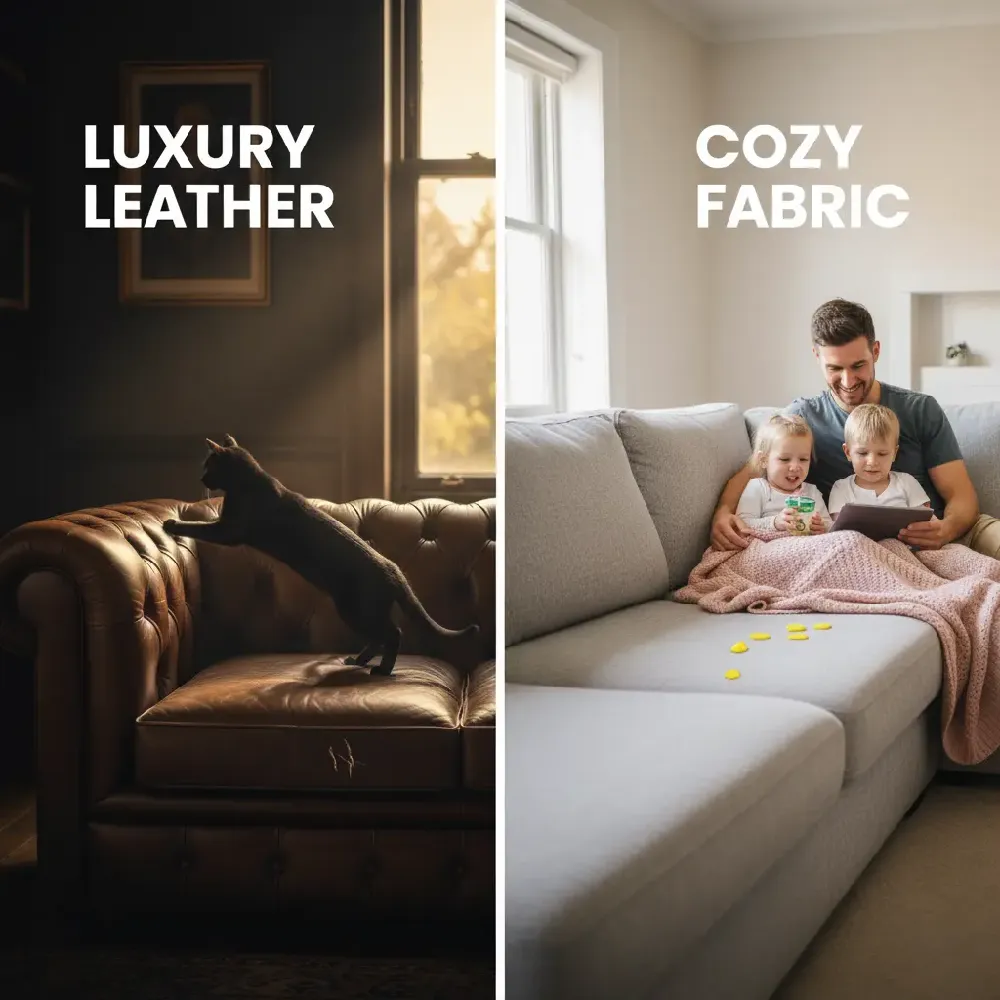
Visible Scratching: The main aesthetic vulnerability of leather is sharp claws, which can leave visible surface scratches. While a distressed leather can blend minor marks, prominent scratches from a determined pet remain a major concern that fabric does not share.
-
Allergy Misconception: While leather is non-porous and superior for trapping dust mites, the porous nature of fabric is often countered by modern science. High-performance fabrics like Crypton are engineered to be antibacterial, resist odor-causing microbes, and are GREENGUARD Gold certified, providing strong competition for health-conscious buyers.
4. 🎨 Aesthetic Limitations: Less Flexibility, More Commitment
Choosing leather is a commitment to a static, refined aesthetic that offers little room for stylistic change without total replacement.
-
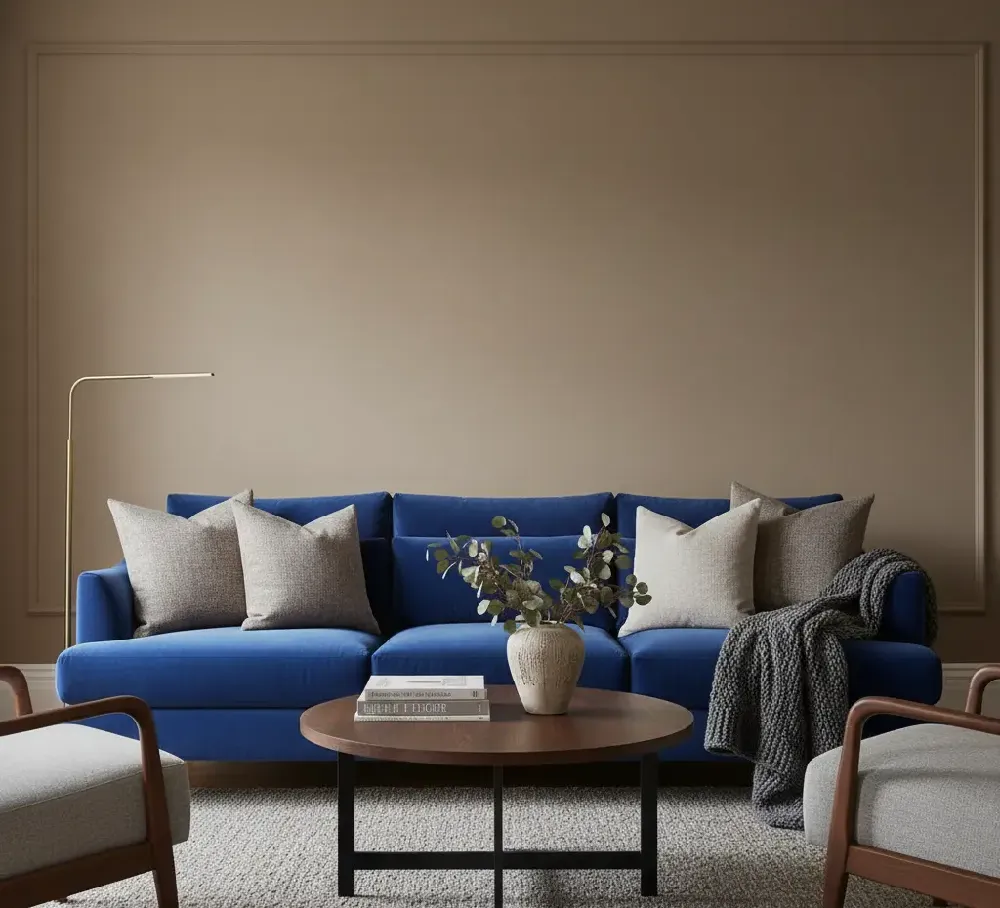
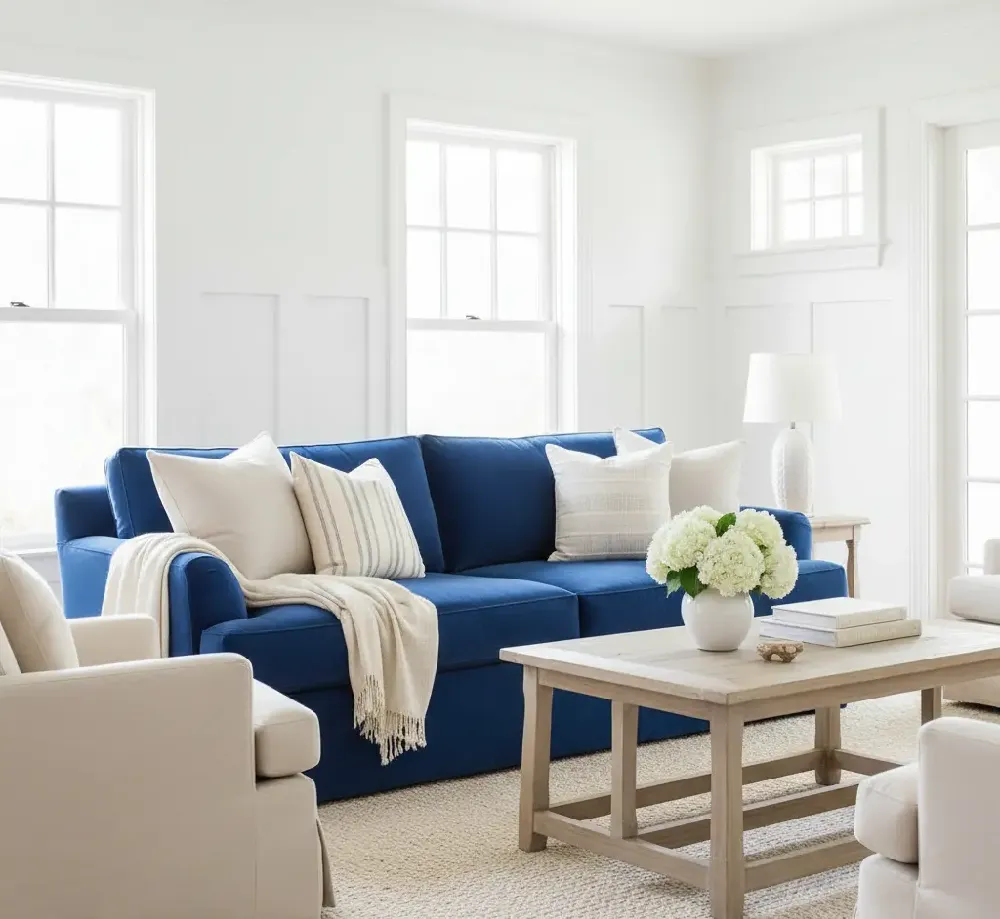
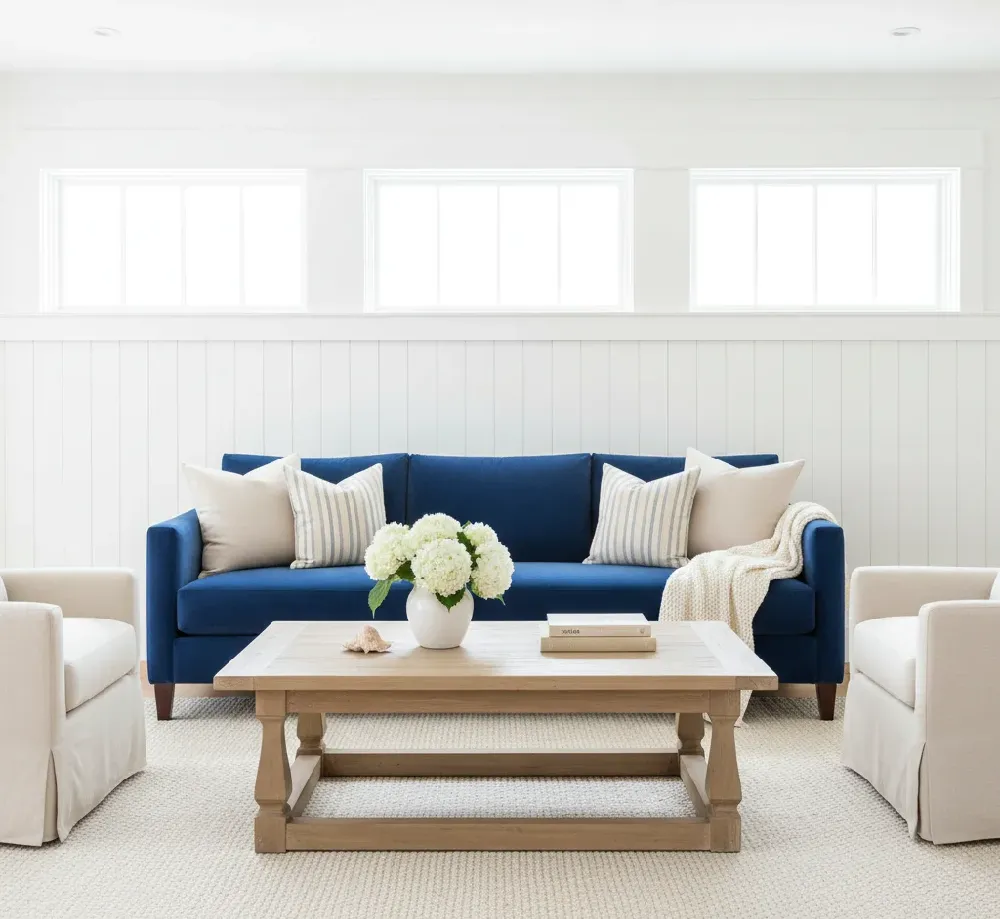
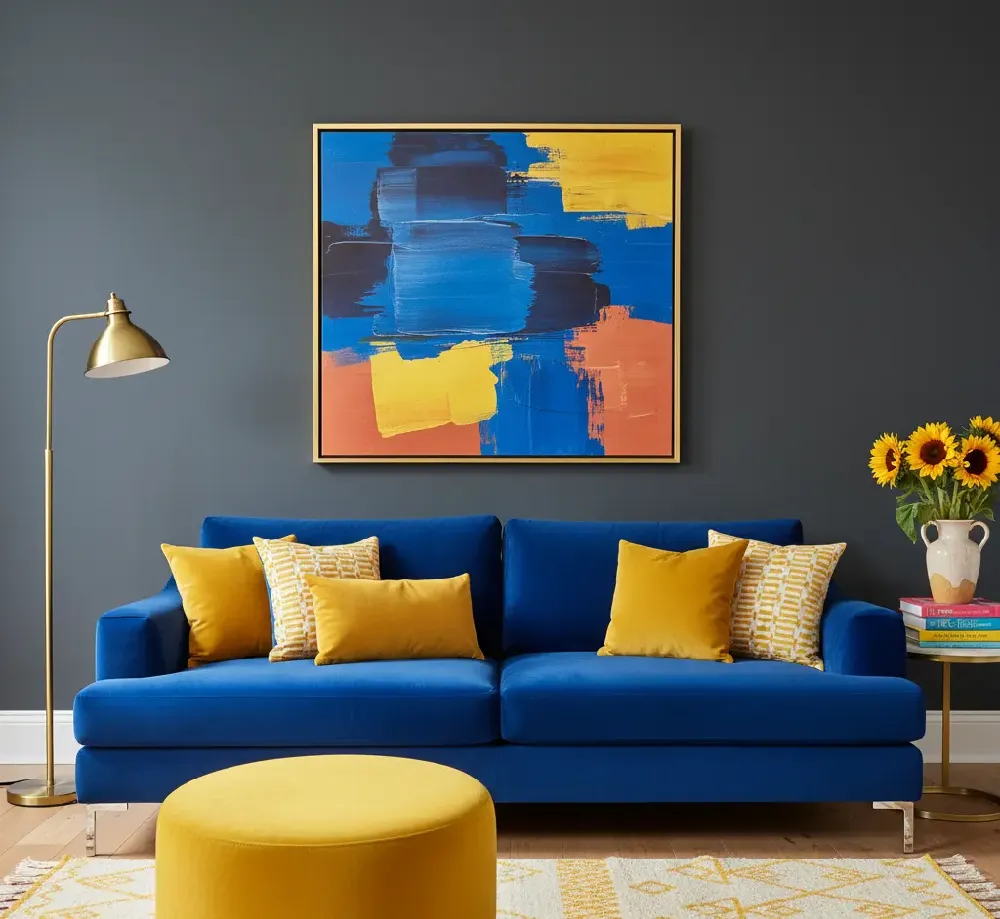
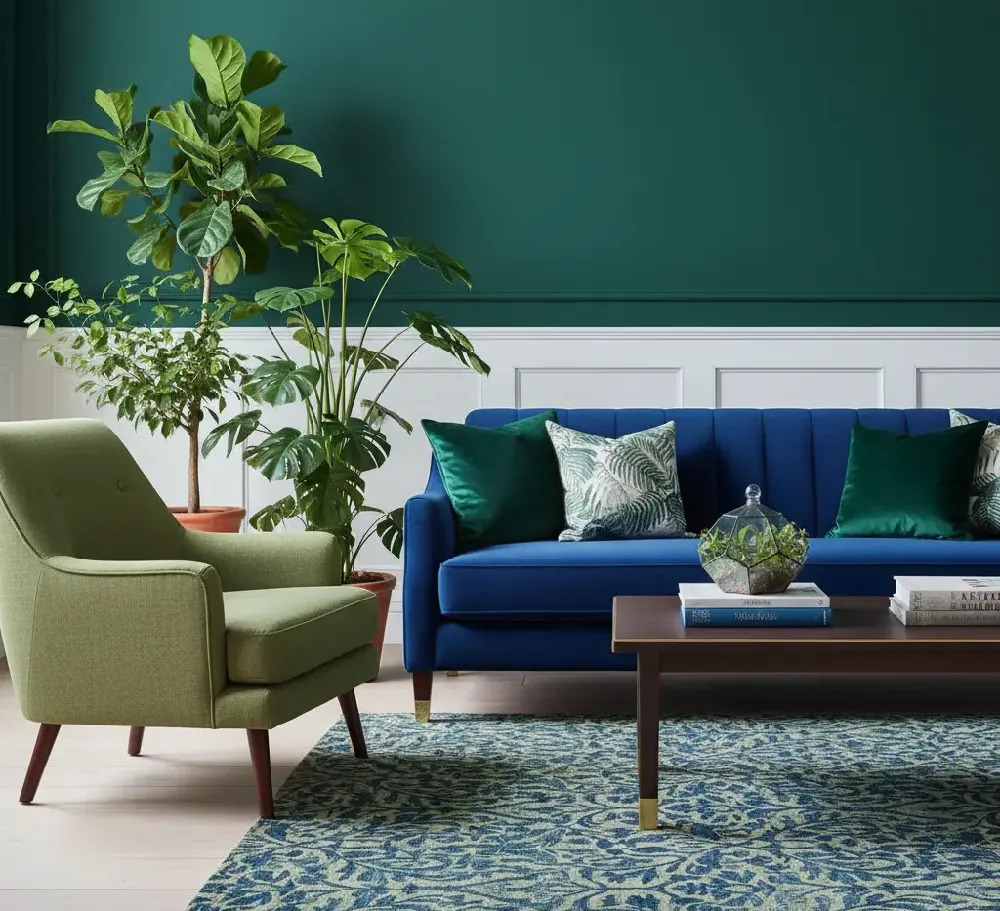
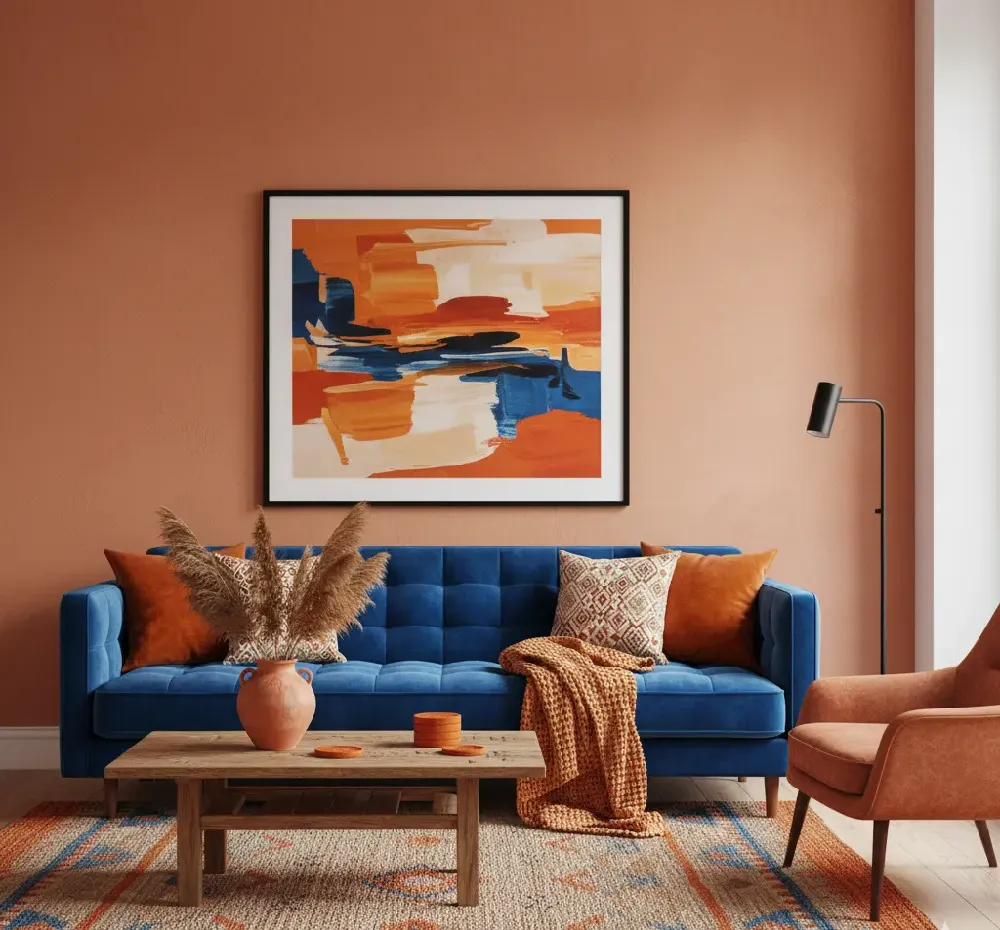
Limited Customization: Leather is largely confined to a refined palette (mostly browns and neutrals), offering limited options in color and texture compared to the virtually endless customization potential of fabric.
-
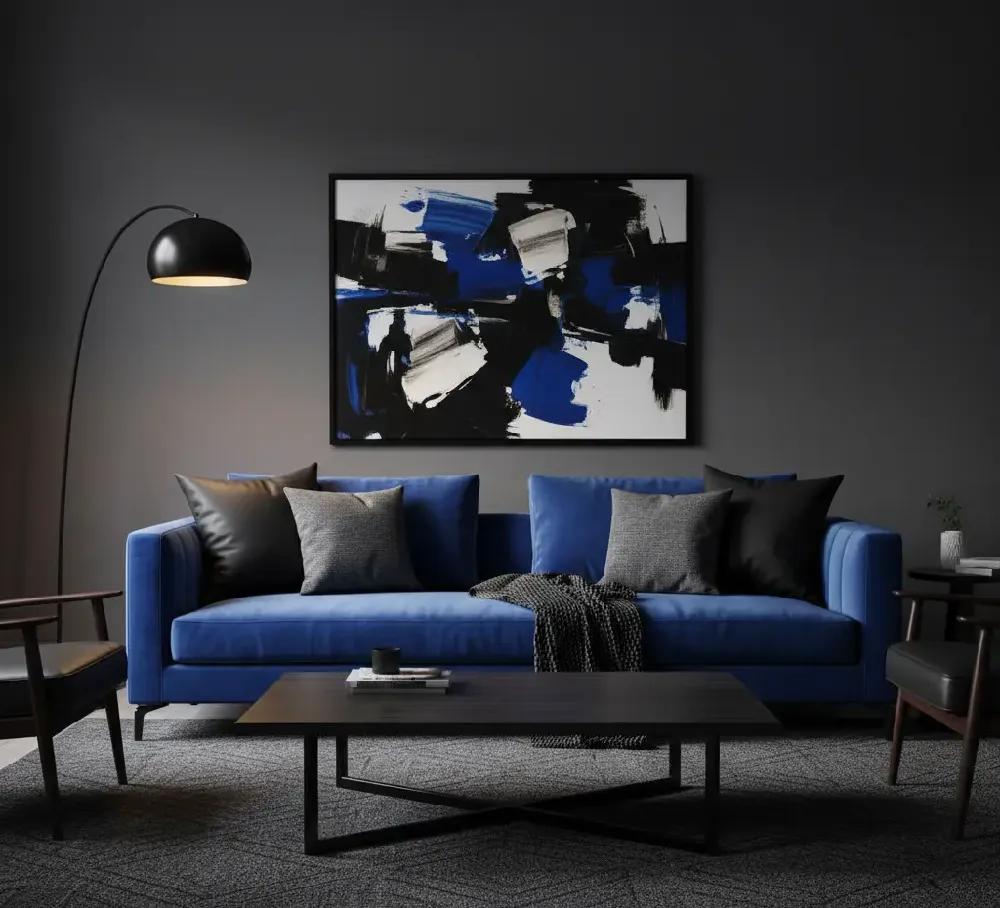
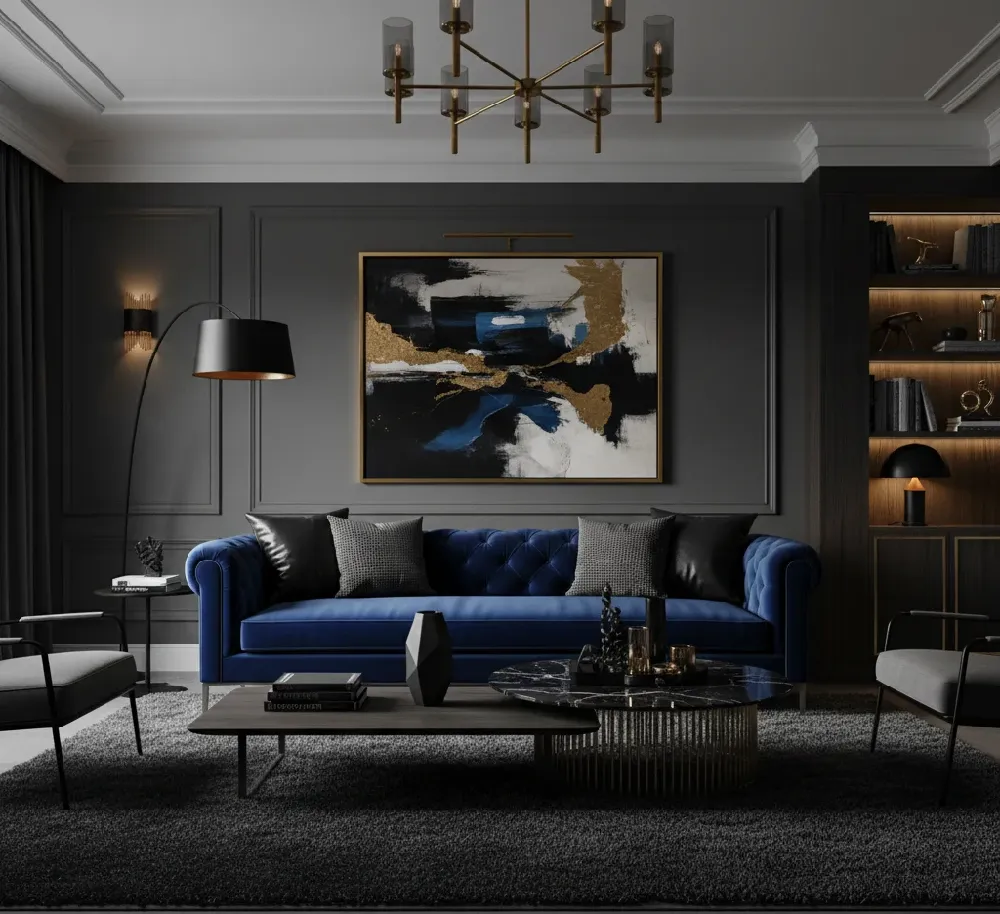
Style Permanence: While the classic style offers longevity, it means the furniture piece acts as an architectural anchor. Homeowners seeking flexibility and the ability to adapt to trends through accessories (like throw pillows and rugs) will find fabric's vast stylistic range far more appealing.
The Alternative: High-Performance Fabric
If the drawbacks of leather outweigh the appeal of its theoretical longevity, consider a modern high-performance fabric as the ideal alternative:
Benefit Fabric Performance Superior Durability Fabric must meet or exceed 30,000 double rubs (Martindale Test) for high-traffic use—a quantifiable metric that guarantees resilience. Stain Resistance Modern fabrics like Crypton are engineered to repel liquids, resist stains, and fight odors, providing unmatched cleanability that often surpasses protected leather. Style & Value Offers unparalleled versatility in color and pattern, allowing you to achieve any aesthetic mood while maintaining a lower initial purchase cost. -
🛋️ Leather vs. Fabric: Why Do Most People Choose Fabric Sofas?
We’ve compiled the core arguments, drawing directly from a community discussion about the drawbacks of leather and the real-world reasons why most people ultimately choose fabric for their sofas.
The Case for Fabric: Drawbacks of Leather
Many consumers ultimately choose fabric, citing these significant downsides of leather:
1. The Comfort and Climate Conundrum
-
Temperature Extremes: Leather can be uncomfortable on bare skin—it feels cold and shocking when you first sit down, and then quickly becomes sticky and unpleasant, especially in warmer climates.
-
Day-to-Day Feel: For many, fabric upholstery simply offers superior day-to-day comfort and coziness.
2. The Pet Problem
-
Claw Damage: Leather is extremely vulnerable to damage from pets. Even if a cat isn't actively scratching, their claws can easily puncture or tear the surface when they jump up or hold on.
3. Cost, Change, and Obsolescence
-
High Upfront Cost: Quality leather is significantly more expensive than fabric.
-
Fickle Furniture: If you invest in "forever furniture," the high-quality leather may outlast your aesthetic or practical needs (e.g., you move, renovate, or need a different style like a recliner). It becomes difficult to justify replacing a perfectly functional, costly leather sofa just because you're tired of the look.
-
Replacement Ease: It is far easier and cheaper to replace or recover a fabric sofa when your style or needs change.
4. Cushion Lifespan Disconnect
-
While the leather itself may last for decades, the internal components (like the cushion foam or feathers) inevitably degrade, leading to an uncomfortable sit. In this case, it can be better to opt for a more affordable fabric sofa and replace the entire unit when the cushions wear out.
✨ The Case for Leather: Why Some Remain Loyal
Despite the drawbacks, leather has fierce defenders who highlight its unique benefits:
1. Unmatched Durability and Longevity
-
Built to Last: High-quality leather sofas are incredibly durable, with some users reporting their pieces still looking great after 14 years of heavy use (including kids, dogs, and cats).
-
A Timeless Look: Leather is perceived as cleaner and maintains a sophisticated appearance for a much longer time compared to most fabrics.
2. Practicality and Maintenance
-
Easy to Clean: Leather is easy to wipe down, making it an excellent choice for spills and mess.
3. A Word of Caution: Quality Matters
-
Be warned: The durability benefit only applies to high-quality, expensive leather. Inferior or cheap bonded leather is often cited as a major pain point, prone to peeling, flaking, and fading quickly.
In Conclusion:
Ultimately, the choice depends on your lifestyle. Fabric wins for comfort, cost-effectiveness, and the freedom to change styles. Leather wins for sheer longevity and a sophisticated look, provided you have the budget for high quality and can tolerate the temperature issues.